Introduction
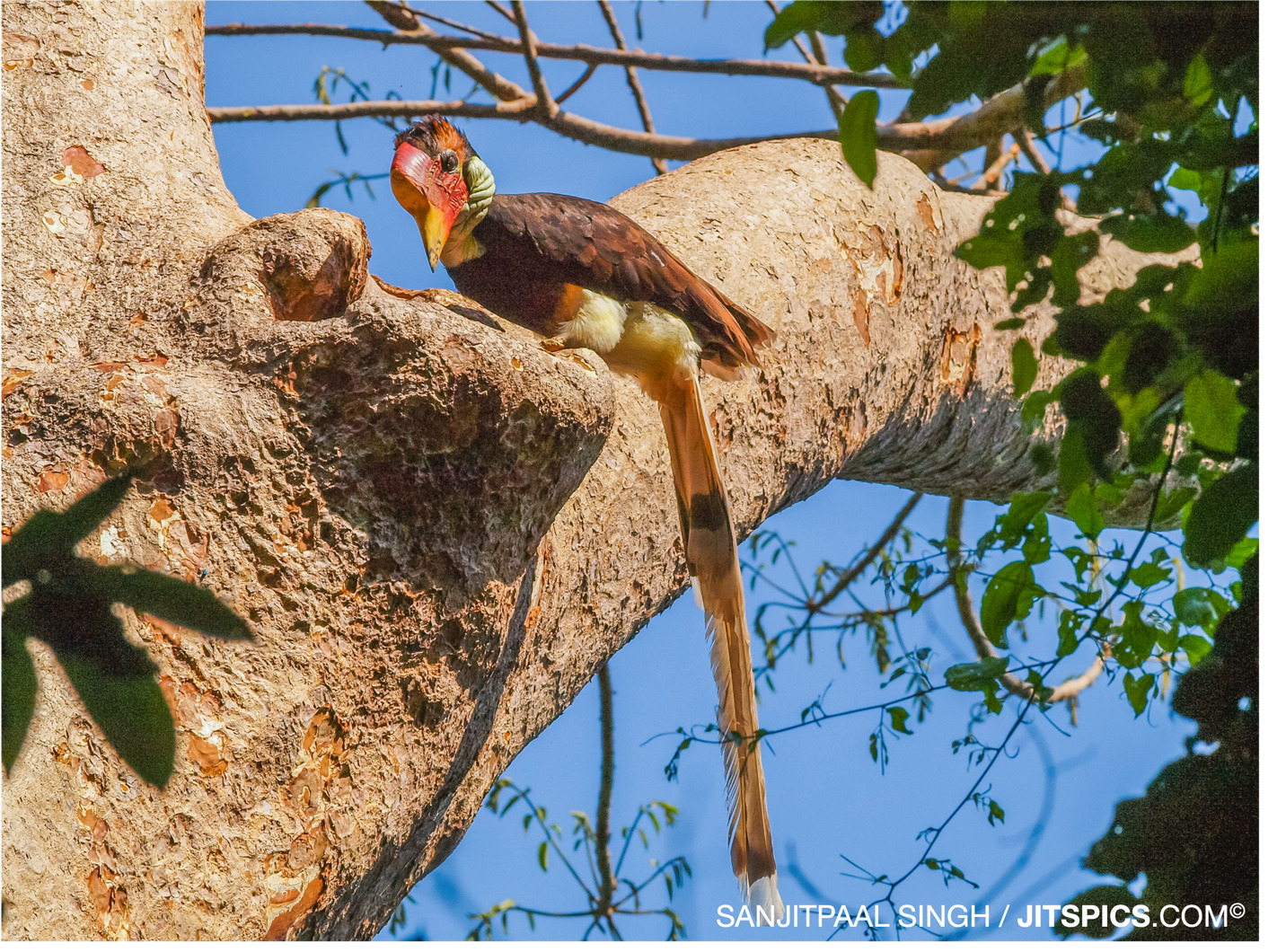
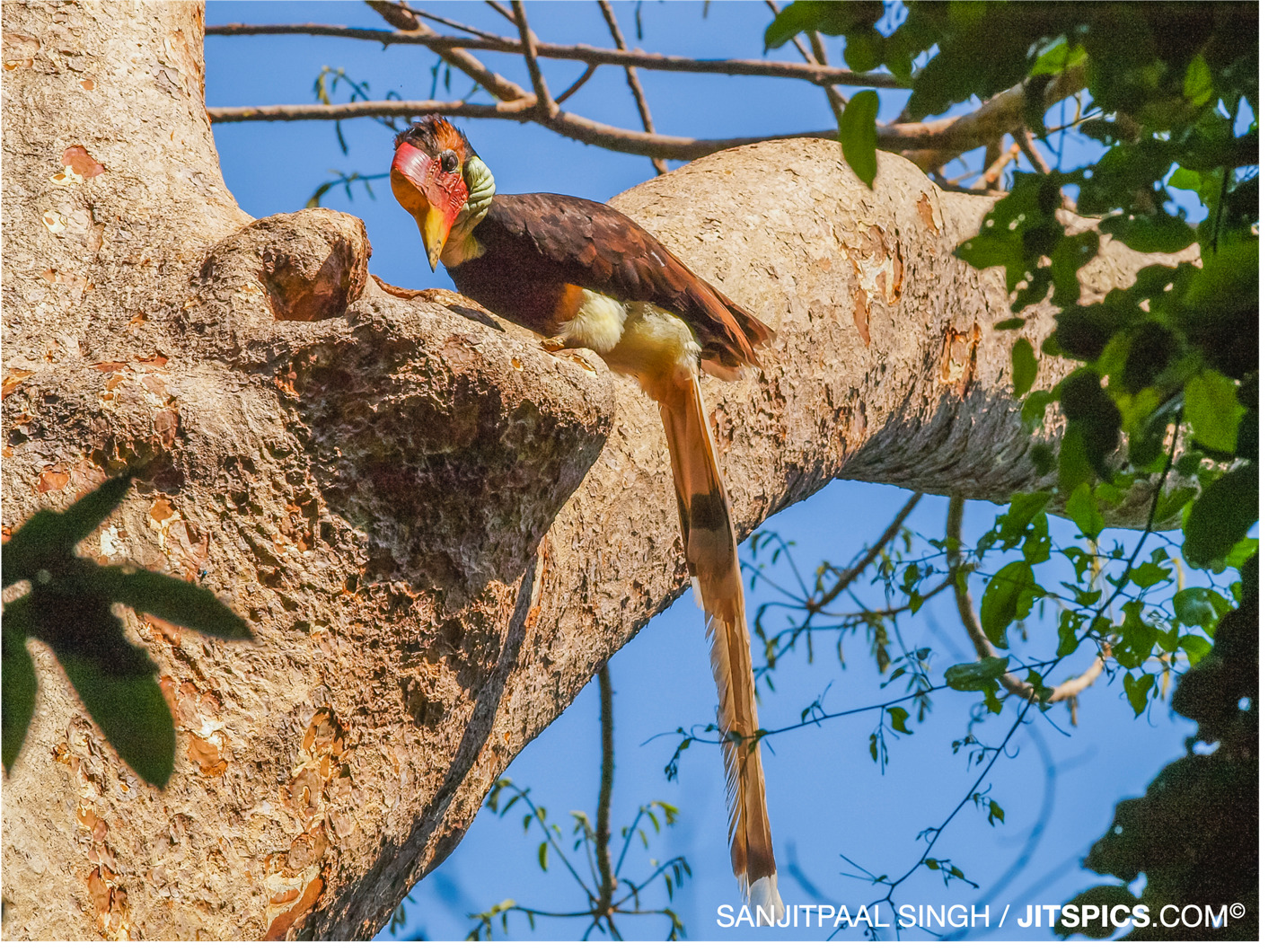
The helmeted hornbill (Rhinoplax vigil, J.R. Forster, 1781) has been listed as Critically Endangered on the IUCN Red List of Threatened Species since 2015 (BirdLife International 2020). This Southeast Asian species can be found across southern Myanmar, southern Thailand, Malaysia, Indonesia and Brunei. It is at risk of extinction from habitat loss and illegal hunting fuelled by demand for its unique ‘casque’, which, unlike those of other hornbill species, is composed of solid keratin (Beastall et al. 2016). Although international trade of helmeted hornbill casques and related products has been restricted under Appendix I of the Convention on International Trade in Endangered Species of Wild Fauna and Flora (CITES) since 1975, illegal trafficking continues. On the black market, these casques are highly prized for being carved into ornaments and jewellery, fetching substantial prices through various retail channels (Hatten et al. 2024).
In 2018, the IUCN Helmeted Hornbill Conservation Strategy and Action Plan was established to ensure the conservation of this species across its range states (Jain et al. 2018). This document outlines multiple objectives and actions aimed at developing genetic resources to support forensic and conservation science (Objective 1.2; Objective 1.3: Action 1.3.7; Objective 3.2: Action 3.2.3, 3.2.4, and 3.2.5). Specifically, High Priority status was given to identifying population-specific variation to help infer species and origin for forensic and conservation management. Recent work has addressed some of these actions, focusing on species and sex identification of R. vigil using single mitochondrial and nuclear markers (Ouitavon et al. 2022; Hatten, Fitriana, et al. 2023; Hatten, Tilley, et al. 2023). However, no whole genome exists for the species, limiting our capacity for further wildlife forensic and conservation genetic analysis, such as understanding the species’ genetic diversity, population structure, and inbreeding levels across the range.
Methods
Toe-pad tissue was collected from a R. vigil specimen isolate FMNH 211798 at The Field Museum of Natural History, Chicago, USA. This specimen was collected on August 8th, 1950, from Sapagaya Forest Reserve, Sandakan District, Sabah, Malaysia.
DNA extractions were performed using a modified MinElute silica-column extraction protocol optimized for museum specimens following McDonough et al. (2018). Samples were digested for 72 hr at 55°C in extraction buffer with continuous agitation prior to DNA purification. Library preparation was conducted using the NEBnext Ultra II kit using custom dual-indexed adapters (Faircloth and Glenn 2012) and modified using the library preparation workflow described by McDonough et al. (2018). The library was sequenced on an Illumina NovaSeq 6000 platform in paired-end, 2 × 150 bp format. The resulting fastq files were trimmed of adapter/primer sequence and low-quality regions with Trimmomatic v0.33 (Bolger et al. 2014). The trimmed sequence was assembled using SPAdes v2.5 (Bankevich et al. 2012) followed by a finishing step using Zanfona (Kieras et al. 2021).
Data availability
The final assembly was deposited in the GenBank under the accession number JBRBRR000000000.1.
Acknowledgments
We would like to thank the staff at the Field Museum of Natural History, Chicago, for providing the specimen and sample.
Funding
Funding was provided by Iridian Genomes, grant# IRGEN_RG_2021–1345 Genomic Studies of Eukaryotic Taxa.